Residential Stabilization
in a Supportive Setting
The Residential Crisis House provides short-term residential support for individuals experiencing an acute mental health crisis who need more structure than outpatient services but do not require hospitalization.
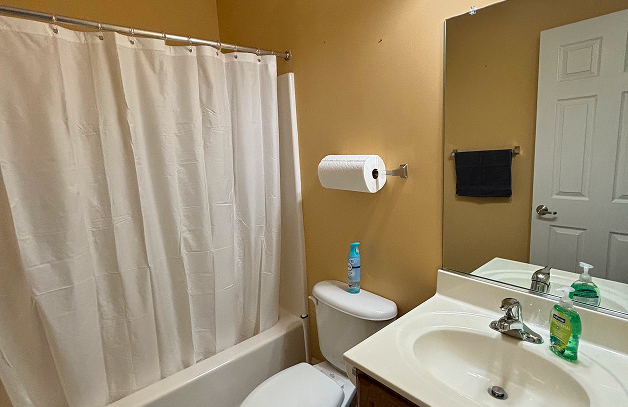
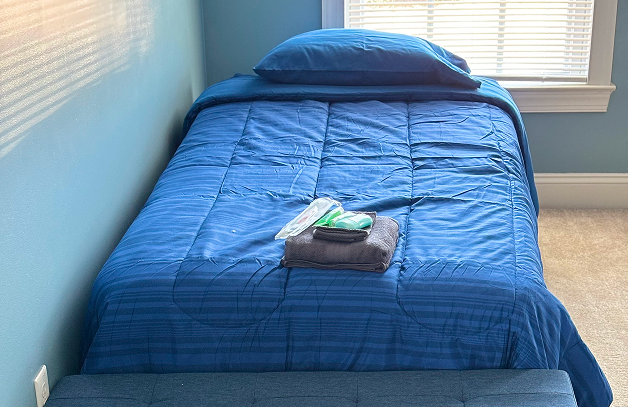
The Residential Crisis House offers a safe, home-like setting with 24/7 support focused on stabilization, safety planning, and a coordinated transition back to ongoing care.






WHO THE RESIDENTIAL CRISIS HOUSE IS FOR
When the Residential Crisis House May Be Appropriate
The Residential Crisis House may be appropriate when someone:
- Needs 24-hour supervised support
- Is experiencing significant emotional or behavioral instability
- Would benefit from short-term stabilization in a home-like setting
- Is stepping down from a hospital stay and needs continued structure
- Needs more support than outpatient services can provide but does not require hospitalization
If you are unsure whether this service is appropriate, our team can provide guidance.
.png)
No items found.
1.
Intake and Clinical Assessment
Each stay begins with a comprehensive clinical assessment to evaluate safety, current symptoms, and immediate needs. The assessment determines eligibility and shapes an individualized plan focused on stabilization and recovery.
2.
Structured Residential Support
Residents stay in a supervised, home-like setting designed for safety and stability. Trained staff and a clinical team provide 24-hour support, including medication management and health monitoring from our nursing staff.
3.
Stabilization and Skill Support
Care focuses on reducing acute symptoms and building practical skills for managing daily life. Residents receive structured support to strengthen coping strategies, emotional regulation, and the tools needed for ongoing stability.
4.
Discharge and Transition Planning
Before each stay ends, our team develops a coordinated discharge plan. This may include connecting you to outpatient therapy, medication management, mental health skill-building, housing or employment support, or other community-based resources to support continued care.
frequently asked questions
Common Questions, Clear Answers
Here are answers to some common questions to help you better understand our services and how to get started.
Is this a hospital or inpatient facility?

.svg)
Who determines eligibility?
Are families involved in planning?
How long can someone stay in the Residential Crisis House?
Do you accept insurance?
Need Structured Residential Support During a Crisis?
Contact our team to learn more about the Residential Crisis House and whether it is the right level of care. If the situation is an active emergency, call or text 988 to reach the Suicide and Crisis Lifeline.
Call now